Did you know that new mothers are advised not to carry anything heavier than their newborn for the first six weeks after giving birth?
Yes, you read that right! New mothers are advised not to carry anything heavier than their newborn for the first six weeks after giving birth. While this recommendation may seem controversial to some, it's crucial to understand the reasons behind it. Pregnancy and childbirth put immense strain on a woman's body, particularly her pelvic floor muscles.

Let's talk about why prioritizing rest and recovery during the postpartum period is essential for pelvic floor health, and provide practical tips and advice for both supporting new mothers and how mothers can help themselves during this critical time.
Understanding Pelvic Floor Health
Imagine the pelvic floor as a strong net or sling of muscles that sits at the bottom of your pelvis, supporting your bladder, uterus, and rectum. It's like a sturdy foundation that holds everything in place and helps you control your bathroom habits.
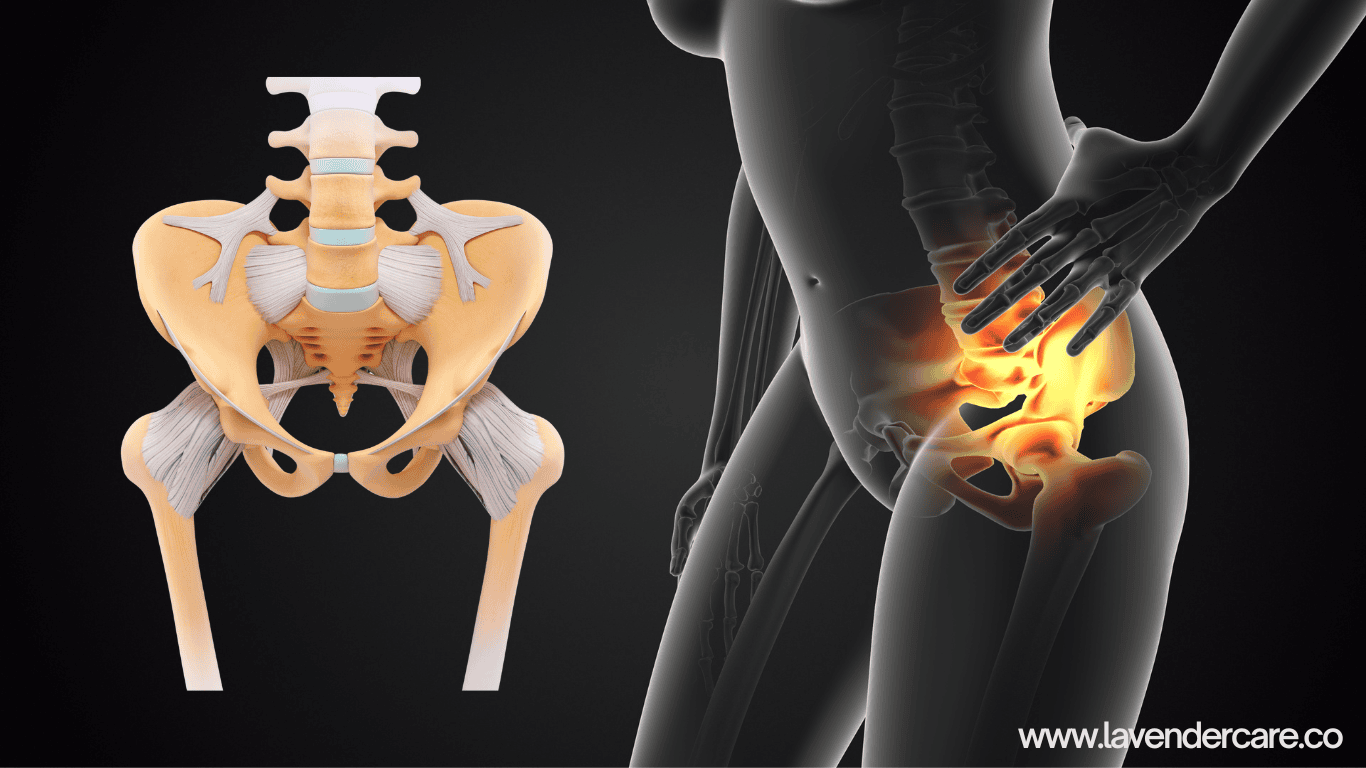
During pregnancy and childbirth, these muscles stretch and can become weakened, so it's important to take care of them during the postpartum period for your overall health and well-being. Weak pelvic floor muscles can lead to issues such as urinary incontinence, pelvic organ prolapse, and sexual dysfunction later in life.
Rest and recovery are essential for allowing the body to heal and rebuild strength after childbirth. By avoiding heavy lifting and strenuous activities for the first six weeks postpartum, new mothers can give their pelvic floor muscles the opportunity to recover fully. This period of rest also helps to prevent complications such as pelvic floor collapse, prolonged postpartum bleeding, and urinary incontinence.
Practical Tips for Supporting New Mothers
If you are a partner or know a new mother, you can support her by doing the following:
→Offer assistance with household chores: New mothers may find it challenging to keep up with household tasks while caring for a newborn. Offer to help with chores such as cooking, cleaning, and laundry to lighten their load and allow them more time to rest.
→Encourage rest breaks: Encourage new mothers to prioritize rest and take breaks throughout the day. Offer to watch the baby while they nap or take some time for themselves.
→Provide emotional support: The postpartum period can be emotionally challenging for new mothers. Offer a listening ear, words of encouragement, and validation for their feelings and experiences.
→Educate about pelvic floor health: Help new mothers understand the importance of pelvic floor health and the benefits of rest and recovery for preventing long-term issues. Provide resources and information about pelvic floor exercises and techniques for supporting pelvic floor health.
→Advocate for postpartum care: Encourage new mothers to seek out postpartum care from healthcare professionals who can provide guidance and support for pelvic floor health and overall well-being.
How You Can Help Yourself As a New Mum
As a new mother it's important to:
→Prioritize self-care: Self-care activities such as getting enough rest, eating nourishing foods, and engaging in gentle exercise when you feel ready are non-negotiable
→Practice pelvic floor exercises: Also known as Kegels, these exercises can help strengthen the pelvic floor muscles and improve bladder control. You should totally incorporate these exercises into your daily routine.
→Listen to your body: And avoid pushing yourself too hard, especially in the early weeks postpartum. Rest when needed and pay attention to any signs of discomfort or pain.
→Seek support when needed: Reach out for support from friends, family members, or healthcare professionals if you are struggling with physical or emotional challenges during the postpartum period. If you need someone to speak to, you can email Lavendercare here. You can also call us or send a WhatsApp message here
Supporting new mothers during the postpartum period is essential for promoting pelvic floor health and overall well-being. By prioritizing rest and recovery, offering practical support and encouragement, and empowering mothers to take care of themselves, we can help them navigate this critical time with confidence and ease.
Looking to join a community of mothers who can share and relate with your experience? Then join the Lavendermum Community