
POSTPARTUM FLUID RETENTION
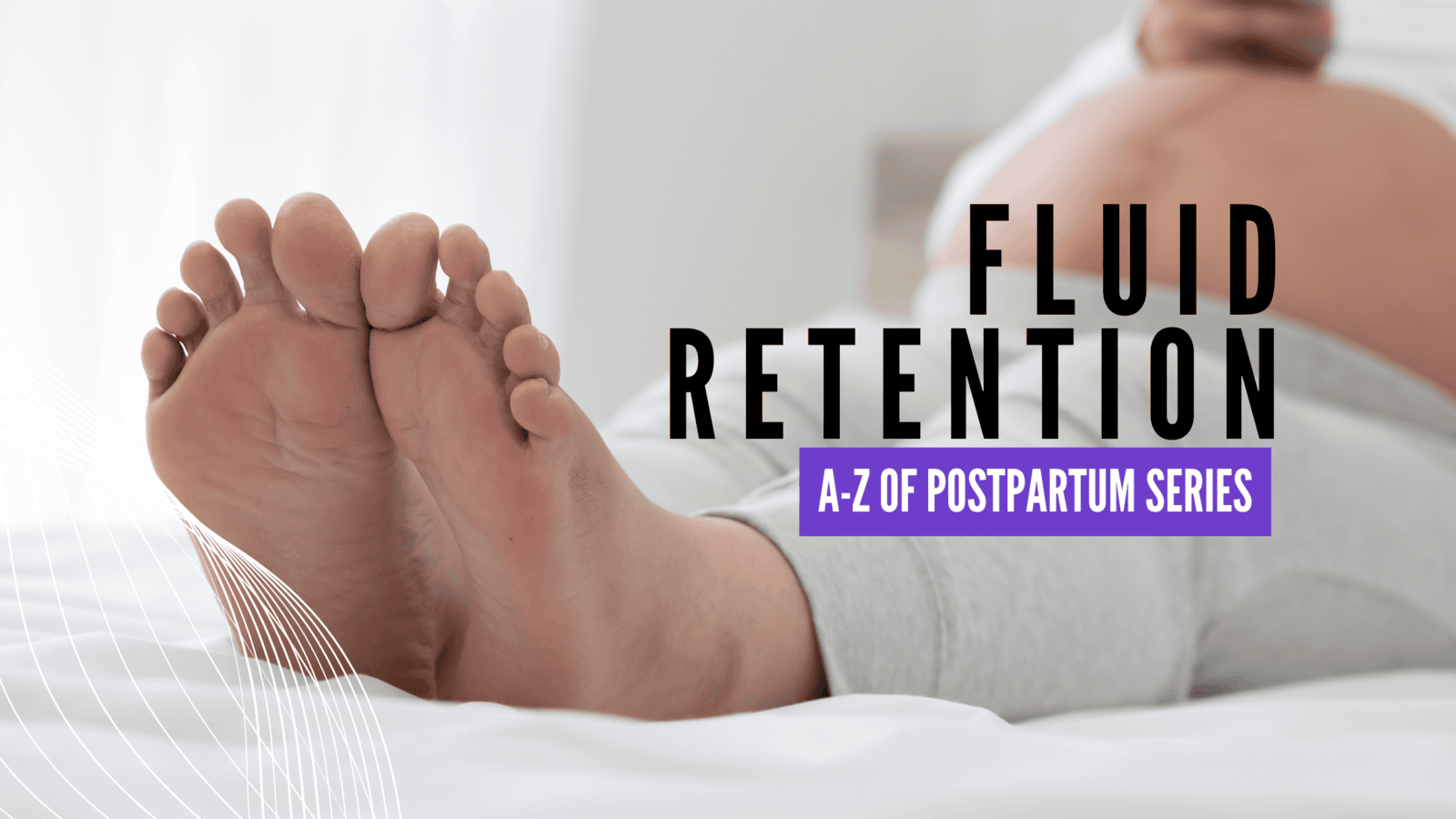
80% of new mothers is postpartum fluid retention or edema.
After childbirth, your body continues to undergo significant changes, and one common challenge that affects up to 80% of new mothers is postpartum fluid retention or edema.
Fluid retention, also known as edema, is a common occurrence during the postpartum period. It involves the accumulation of excess fluids in the body's tissues, leading to swelling, particularly in the extremities like the hands, feet, ankles, and legs.
Understanding fluid retention, its causes, symptoms, management, and when to seek medical attention is crucial for new mothers to ensure a smooth recovery.

During pregnancy, your body naturally holds onto extra fluid to support both you and your growing baby. By the time you deliver, you may be carrying as much as 50% more blood and body fluids than usual. This fluid helps prepare your body for labor and childbirth by softening tissues and joints and supporting your expanding uterus.
After birth, your body begins to shed this excess fluid through urine and sweat. However, the sudden shift in hormones and changes to your circulatory system can cause this fluid to pool in your limbs, resulting in swelling (edema)—particularly in your hands, feet, and ankles. For mothers who’ve had a C-section, the swelling can sometimes be more pronounced because of the additional fluids administered during surgery.
Causes of Fluid Retention Postpartum
- Hormonal Changes: Pregnancy induces significant hormonal fluctuations, particularly increases in progesterone and estrogen, which can cause the body to retain more water and salt.
- Increased Blood Volume: During pregnancy, a woman's blood volume increases to support the growing fetus. Postpartum, it takes time for the body to return to its pre-pregnancy blood volume, contributing to fluid retention.
- Reduced Mobility: Labor and delivery can be physically taxing, leading to periods of reduced mobility. Limited movement can slow circulation, making it easier for fluids to accumulate in the lower extremities.
- Dietary Factors: High salt intake can exacerbate fluid retention as sodium causes the body to hold onto water.
- Post-Surgical Recovery: Women who undergo cesarean sections or other surgical interventions may experience increased fluid retention due to the body's healing processes.
- Lymphatic System Changes: The lymphatic system, responsible for draining excess fluids, can be temporarily overwhelmed or disrupted during childbirth, leading to swelling.
Symptoms of Fluid Retention
- Swelling (Edema): Noticeable puffiness or swelling in the hands, feet, ankles, legs, and sometimes the face.
- Stretched or Shiny Skin: Skin over swollen areas may appear tight or glossy.
- Weight Gain: An unexplained increase in weight due to excess fluid.
- Stiff Joints: Swelling can cause discomfort and reduced mobility in the joints.
- Increased Abdominal Swelling: The abdomen may remain bloated longer than expected.
Impact on Postpartum Recovery
While fluid retention is typically benign and resolves on its own, excessive or prolonged edema can:
- Cause Discomfort: Swelling can lead to pain and discomfort, making movement and daily activities more challenging.
- Affect Mobility: Significant swelling, especially in the legs, can impair mobility, increasing the risk of falls or injuries.
- Mask Other Health Issues: Persistent edema might obscure symptoms of other conditions, such as infections or blood clots.
Management and Treatment
- Hydration: Paradoxically, drinking adequate water helps reduce water retention by flushing out excess sodium from the body.
- Balanced Diet: Limiting salt intake and consuming a diet rich in fruits, vegetables, and lean proteins can help manage fluid levels.
- Regular Movement: Engaging in gentle postpartum exercises, walking, or stretching promotes circulation and reduces swelling.
- Elevating Limbs: Elevating the feet and legs can facilitate fluid return from the lower extremities, decreasing swelling.
- Compression Garments: Wearing compression stockings or support garments can help minimize swelling in the legs and feet.
- Massage: Gentle massage can stimulate lymphatic drainage and reduce fluid accumulation.
- Rest: Ensuring adequate rest helps the body recover and manage fluid levels more effectively.
- Monitoring Fluid Intake: Keeping track of fluid consumption ensures that intake aligns with the body's needs without contributing to excess retention.

While fluid retention is usually normal postpartum, certain signs may indicate more serious conditions requiring medical evaluation:
- Sudden or Severe Swelling: Rapid onset or intense swelling, especially if localized to one limb.
- Pain or Tenderness: Swelling accompanied by significant pain, warmth, or redness could signal a blood clot.
- Shortness of Breath: Difficulty breathing alongside swelling may indicate pulmonary issues.
- Persistent or Worsening Edema: If swelling does not improve with standard measures or continues to worsen over time.
Other Symptoms: Fever, headache, or changes in vision alongside swelling.
Preventive Measures
- Stay Active: Incorporate light exercises as approved by a healthcare provider to promote circulation.
- Monitor Salt Intake: Be mindful of high-sodium foods that can contribute to fluid retention.
- Wear Comfortable Clothing: Avoid tight garments that can restrict circulation.
- Stay Hydrated: Maintain adequate fluid intake to support the body's natural fluid balance.
- Elevate Legs: Regularly elevate the legs to aid in fluid return and reduce swelling.

Conclusion: Prioritizing Your Postpartum Recovery
Conclusion: Prioritizing Your Postpartum Recovery
Conclusion: Prioritizing Your Postpartum Recovery
Postpartum fluid retention can be uncomfortable, but it's a normal part of your body’s recovery process. As a new mom, it's easy to focus solely on your baby, but remember that taking care of yourself is just as important. Simple practices like staying hydrated, moving gently, and elevating your legs can help reduce swelling and make you feel more comfortable.
Your body has been through an incredible journey, and it deserves patience and care. By nurturing yourself, you’re not only supporting your recovery but also setting the foundation for a healthy, happy postpartum experience. You’ve got this, mama!
Always consult with a healthcare provider for personalized advice, especially if discomfort persists or there are concerns related to postpartum healing.