
POSTPARTUM CONSTIPATION
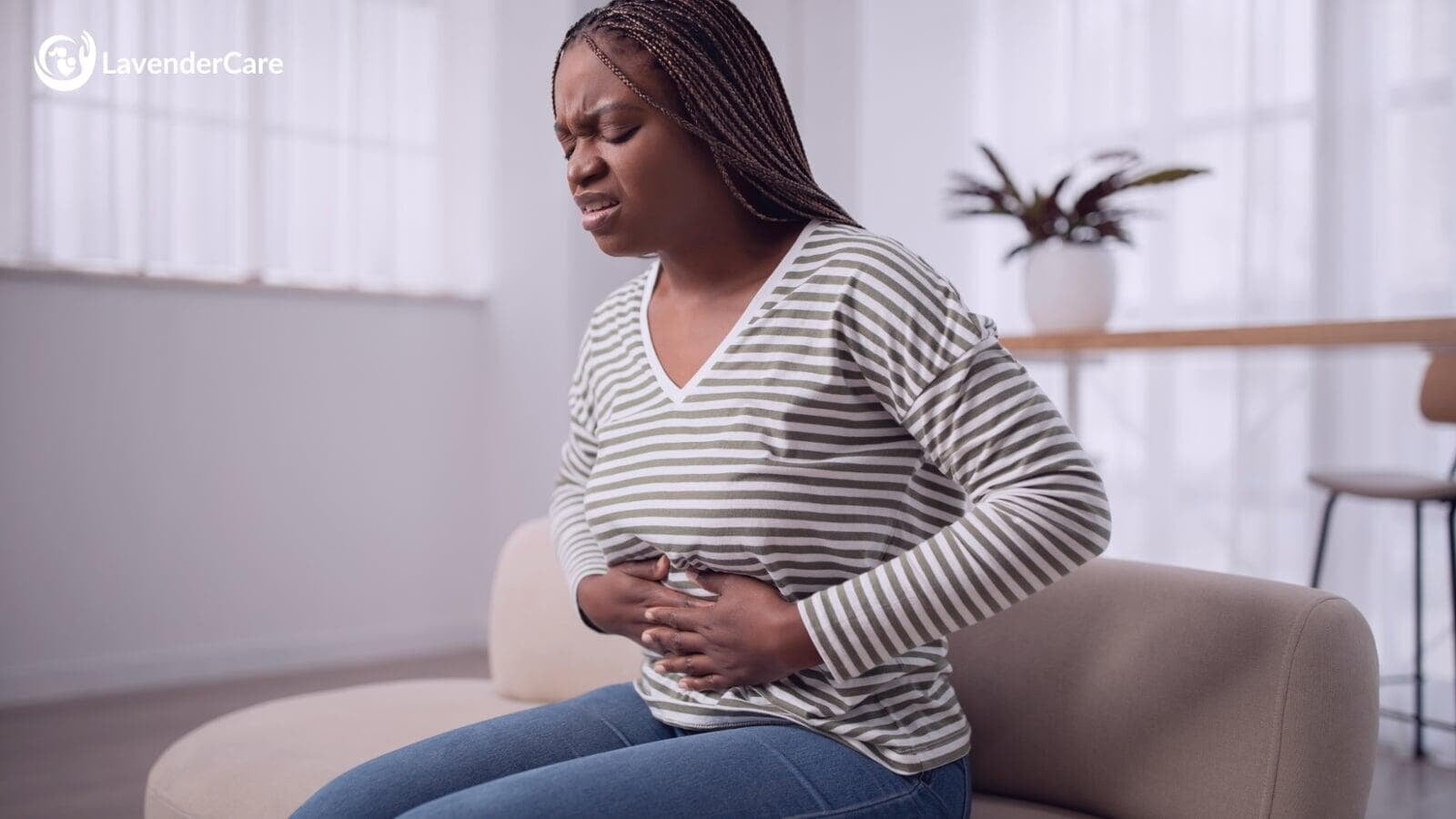
1 in 3 women reported constipation during the first week after delivery
You’ve just welcomed a new baby into the world—congrats, mama! You’re probably feeling all the feels right now: joy, exhaustion, and, let’s be honest… a little discomfort. But there’s something that a lot of people don’t talk about enough after childbirth: postpartum constipation.
Studies suggest that 20-25% of women experience constipation in the postpartum period, with the prevalence being slightly higher in women who undergo cesarean sections compared to those who have vaginal deliveries
A 2019 study found that 1 in 3 women reported constipation during the first week after delivery .
60-80% of women who had a cesarean delivery reported bowel problems, including constipation, within the first two weeks postpartum .

Picture this: You’ve made it through the marathon of labor, or maybe you’ve just had a C-section. Either way, you’re trying to recover, and suddenly, you realize something… nothing is moving. Your gut is doing the opposite of what you need it to do, and it’s frustrating, to say the least. Constipation after childbirth is more common than you'd think. There are a few culprits behind this often-overlooked issue:
Hormonal Changes: Pregnancy hormones, particularly progesterone, can slow down bowel movements. Even after delivery, these hormones are still at play, causing sluggish digestion.
Dehydration and Loss of Fluids: Whether you had a vaginal delivery or a C-section, your body loses fluids during labor. And if you’re breastfeeding, your hydration needs increase even more. Dehydration can make stool hard and difficult to pass.
Medications: Did you have an epidural or were you given pain relief during or after delivery? Pain medications, especially opioids, are known to cause constipation.
Fear of Pain (or Actual Pain): If you had a perineal tear or an episiotomy, the thought of pushing during a bowel movement might fill you with dread. It’s a real fear, but trust me, the fear of pain can sometimes make you unconsciously hold back from going, which only makes things worse.
Muscle Weakness: Pregnancy and delivery can weaken your pelvic floor muscles. These muscles play a huge role in bowel movements, and when they’ve been stretched or weakened, constipation can follow.
Iron Supplements: Many mothers are prescribed iron supplements post-delivery, especially if they experienced significant blood loss. While these supplements help with anemia, they also have a not-so-great side effect: constipation.
For some mothers, constipation starts immediately after delivery and lasts for a few days, while for others, it may persist for weeks. Every body is different. If you’re still struggling after two weeks, it’s worth discussing with your healthcare provider.

True Story Time
Let me tell you about a Lavendermum Community member, Mrs M. After giving birth to her first baby via C-section, she was ecstatic—and exhausted. The hospital recovery was going well… until it wasn’t. By day three, she realized she hadn’t had a single bowel movement since before labour, and things were starting to feel uncomfortable.
She tried to ignore it at first (I mean, who wants to think about bowel movements when you’re busy learning how to be a mother?), but by day five, Mrs M was in full panic mode. She was bloated, crampy, and just feeling miserable. It wasn’t until a I gently reminded her that pain meds can slow things down that she realized it was normal—annoying, but normal.
With some tips, Mrs M got through it (we’ll get to those tips in a sec!). The point is, postpartum constipation is a totally common part of recovery, and there’s no need to feel embarrassed or stressed about it. If it’s happening to you, you’re not doing anything wrong—your body’s just adjusting to a whole new reality. PS. If you'd like to hire a Postpartum Doula, simply fill this contact form

Okay, so you’re constipated. But how long is too long? While it’s uncomfortable, postpartum constipation usually resolves itself within a couple of weeks. However, about 17% of moms find that their digestion can be off for up to 6 months after giving birth. If that’s you, don’t worry—there are ways to handle it. But if things feel really out of whack, there are some signs to watch for:
- Severe pain or bloating
- Bleeding during bowel movements
- Symptoms lasting longer than a week without improvement
- Nausea or vomiting
If any of these happen, it’s definitely time to call your doctor. Sometimes, more serious issues like a bowel obstruction can be at play, and it’s better to be safe than sorry.
Tips to Get Things Moving (What Worked for Mrs M—and Thousands of Other Mothers)
Stay Hydrated:
- Drink plenty of water throughout the day (8-10 glasses is ideal). Fluids help soften the stool and make it easier to pass.
- Warm liquids, like herbal teas or warm water with lemon, can stimulate digestion and ease bowel movements.
Increase Fibre Intake:
- A high-fibre diet helps to bulk up stool and promote regular bowel movements. Try incorporating:
- Fresh fruits (e.g., apples, pears, berries)
- Vegetables (e.g., spinach, carrots, broccoli)
- Whole grains (e.g., oats, whole wheat bread, brown rice)
- Legumes (e.g., lentils, beans)
- Fibre supplements (e.g., psyllium husk) may also be helpful if dietary fibre intake is insufficient.
Exercise and Movement:
- Gentle physical activity can help stimulate bowel movements. Activities like walking, postpartum yoga, or light stretching can improve digestion.
- Start slowly, especially after a cesarean section, but regular movement will help reduce constipation.
Stool Softeners:
- If dietary changes aren’t enough, doctors may recommend stool softeners (e.g., docusate sodium) to make passing stools easier. These are generally safe for breastfeeding mothers.
Probiotics:
- Probiotics can support healthy gut function and regular bowel movements. Foods rich in probiotics include yogurt, kefir, and fermented foods like sauerkraut or kimchi. Probiotic supplements are another option.
Scheduled Bathroom Time:
- Set aside a regular time to try to go to the bathroom, even if you don’t feel the urge. Establishing a routine can train your body to have regular bowel movements.
- Give yourself enough time, and try not to rush or strain, which can worsen symptoms.
Manage Pain:
- Use perineal sprays, witch hazel pads, or sitz baths to ease the discomfort of stitches or hemorrhoids.
- Applying a warm compress to the abdomen before trying to have a bowel movement can help relax muscles.
- Taking short walks or gentle stretching can also relieve discomfort associated with constipation.
Laxatives (if necessary):
- If constipation persists, mild laxatives like osmotic agents (e.g., polyethylene glycol) may be recommended. However, always consult a doctor before using laxatives, especially while breastfeeding.
How Mrs M Got Her Relief
Back to Mrs M's story: after some water, fiber-rich foods, and a little help from a gentle stool softener (thanks to her doctor’s recommendation), she finally felt the relief she needed. By day seven, she was back to normal, and by week two, her body had fully adjusted.
Now, she tells every new mother she meets about her experience because no one should have to suffer in silence. We’re all going through the same challenges—it just helps to talk about them!

In Closing, Mama: You Got This!
In Closing, Mama: You Got This!
Postpartum constipation is a temporary but uncomfortable condition that many new mothers face. Fortunately, with dietary changes, hydration, movement, and sometimes medical interventions, it can be managed effectively.
Postpartum constipation is a totally normal part of recovery. Your body just went through an incredible experience, and it needs time to adjust. With a little patience and the right strategies, you’ll be back to feeling like yourself in no time.Always consult with a healthcare provider for personalized advice, especially if discomfort persists or there are concerns related to postpartum healing.